
Alejandro, an Argentine friend of mine, was at an international conference in Canada. He was waiting in turn to introduce himself to the group and to say a little something about his home country. Two participants before him was a Uruguayan. He stood and told everyone he was from Montevideo, the capital, and that Uruguay was famous for producing the best beef in the world. Hold on a second thought Alejandro, that’s what I was going to say about Argentina.
Despite their neighbours across the River Plate laying claim to the throne, internationally, Argentines are widely regarded as the Kings of beef.
What makes it so good? The finest beef and excellent preparation.
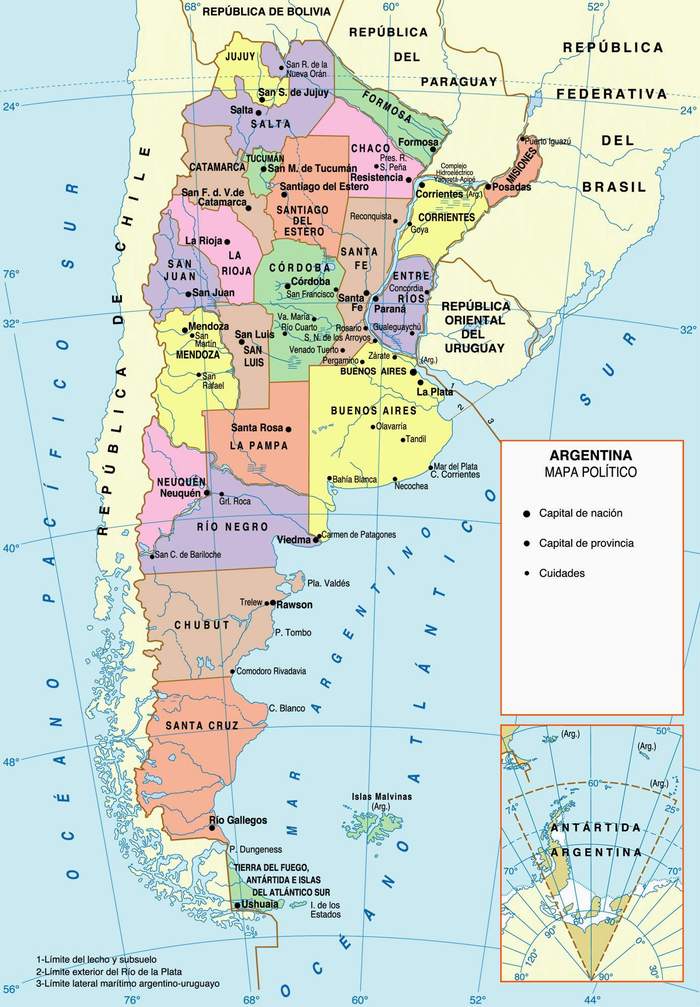
The beef’s quality is derived from the grass the cattle feed on. Contrary to other countries, the majority of Argentine cows are not fed on grains in feedlots but are raised eating luscious grass, principally in the humid pampas, the biggest beef producing region of the country where open flat plains dominant the landscape.
Grass has less saturated fats than grains and more of the healthy omega three fatty acids. And although production results of free roaming cows are harder to control than in feedlots, most experts agree that natural conditions, in which the cows don’t consume antibiotics and growth hormones, are a principal factor in the final quality of the beef.
Spanish conquistadors first brought cattle to Argentina in 1536 but soon abandoned the project and left the cattle to run free. In the pampas, covering 289,577 square miles (750,000km²), with its’ mild climate and perfect rainfall, gauchos eventually tamed the cows, and with refrigeration and the introduction of trains in the late nineteenth century, beef production increased rapidly. In that century Aberdeen Angus, Hereford, and Shorthorn breeds were introduced.
13 million head of cattle are now slaughtered per year in Argentina, and beef exports contribute $US 500-700 million per year. The majority of the beef however is consumed within the country, and total revenue is over US$ 5 billion. In fact, Argentina has the highest consumption of beef in the world, a whopping 68kg per capita each year.
 Dinner at a traditional parilla (grill restaurant) demonstrates the country’s fondness for beef. A typical menu will offer around a dozen different cuts of steak, from the leanest and most expensive, lomo (tenderloin), to the fatty flank (vacio) and cuadril (rump). The insides of the cow are also a delicacy and prices are high for small intestines (chinchulines) and thymus glands (molleja).
 The preparation of the meat is tried and tested. The cook will usually season it with nothing more than salt. It may sound simple, but grilling the beef well is a skill.
In the home, this skill is put to the test with the family asado, when the man of the house will assume the responsibility. The barbeque, enjoyed traditionally on Sundays in gardens all over the country, will include strips of ribs (tira de asado), the rib cap (tapa de asado), and matambre, a thin cut that comes from just under the skin between the lower part of the ribs and the belly. All grilled over charcoal or wood.
And though some Uruguayans may disagree, Argentines from Patagonia to Jujuy will relax and wash down the world’s best beef with some refreshing Argentine red wine.


 Posts
Posts




Maybe that was in the past. Actually there's a lot of feedlot meat in Argentina nowadays (I've heard that 80% of what we eat internally) as land formerly used for breeding cows is now being used for soya.
ReplyDeleteYou're right, breeding practices have been changing in Argentina, and the government's levies on beef exports have persuaded many farmers to switch to soya. Less supply has of course had an affect on prices, and Argentines are no longer the world's biggest consumers of beef per person; that title is now held by Uruguay.
ReplyDeleteArgentinian beed is the best in the world, and its much better than the uruguayan and the reason for that is that Uruguay is 100% hills and small mountains ( in Lavalleja and Tacuarembo zones) . Argentinian pampas are entirely flat.
ReplyDeleteSo, the cows in argentina have to do less effort to walk and the meat, then, is very tender.
My Friend
DeleteUruguay is probably the flatest country in the world, no mountains.
In addition to that, Uruguay is the only country with 100% grassfed and hormone free cows,with no vaccination.
Uruguay export 70 to 80 % of their beef to prime destinations.
Both countries are far away to produce the best beef.
ReplyDelete"Kobe" in Japan is the questionless finest beef producer.
U oo'right man southamerica does shit beef suckers!
Deleteargentina has the best meat for a lot reasons... 1' british races aberdeen angus, hereford, shorthorn 2 very big plains with green grass 3 where are breading cows never snow (very important) (in japan snow no? that a quimical meat stupid boys) and is not so wet to suffer diseases, and if you wanna comparated if a meat is the than other cook them with only salt and good cocked! without blood. learn about meat?
ReplyDeleteargentina has the best meat for a lot reasons... 1' british races aberdeen angus, hereford, shorthorn 2 very big plains with green grass 3 where are breading cows never snow (very important) (in japan snow no? that a quimical meat stupid boys) and is not so wet to suffer diseases, and if you wanna comparated if a meat is the than other cook them with only salt and good cocked! without blood. learn about meat?
ReplyDeleteGet out of here dirty, liar Argie.
DeleteCant beat british beef...least we have high standards...humane animal slaughterin in uk
ReplyDeleteCan't beat British beef???? Argentinian beef is much better by far!
ReplyDeleteLeeanne Taylot, you must be out of your mind.
ReplyDeleteBritish beef ??? Loaded with antibiotics, hormones, pesticides ... most of those poor animals are confined to stables, never get to see the sun, are overvaccinated and are fed crap GMO food. Already forgot the mad cow disease disaster? Where again did this originate from ? Oh yes, from the best beef in the world - the British. That's why they had to cull and burn millions of those best cows in the world.
C'mon, your comment was more than ridiculous.
Argie beef is the worst. The Argies have been feeding their animals with all types of growth hormones, they grind dead animals and use it as cattle feed, they kill by hitting them on their heads with a nail on a stick & the animals bleed for days until they die, thus releasing all the toxins on the flesh which ignorant people later eat and find "so wonderful." The stables are cesspools & they have been unable to control the foot & mouth disease. No wonder the U.S. banned all imports of Argie beef back in the 80's but now the Kenyan & his disciple lifted the ban & the U.S. citizens are demanding to see origin of all imported foodstuff.
ReplyDeleteFirst of all, just a translation comment. Rio de la Plata does not translate to the River Plate (para 2 above in the article), but rather to the Silver River. Even the name, Argentina, comes from the Latin for silver, which was found in high quantities by early explorers.
ReplyDeleteSecondly, there is so much emotion and lack of facts in the above comments on beef quality as to be ridiculous. True, some Argentinian beef does come from cattle which are fed antibiotics. These 'feedlot' beef cattle need the antibiotics since they are highly susceptible to infections due to their being raised in such close quarters on feed lots (and not grass fed) and raised in massive enclosures. This by the way occurs to varying degrees in all beef producing countries, including Argentina, Uruguay, UK, USA, etc. However, the vast majority of Argentinian beef is grass fed, and raised on large ranches or estates (estancias) where they are free to roam naturally, are therefore less congested and cramped, and less susceptible to bacterial infections, HMD (hoof and mouth disease), mad cow disease, etc. This is the beef Argentina is famous for. One only has to eat their steaks in Argentina (which I've just done) to realise you've just had as good a steak as you are ever going to eat: tender, juicy and mouth-wateringly tasty. Is it the best? Perhaps, if not, it is certainly in the top 3!!
This comment has been removed by a blog administrator.
ReplyDeleteThis comment has been removed by a blog administrator.
ReplyDeleteThis comment has been removed by a blog administrator.
ReplyDeleteWe offer a variety of Financial packages at a very low interest rate, We stand apart from other lenders because we believe in customer service, We offer the right solution to your financial needs.In general we are FINANCE COMPANY, We offer loan at 3% interest rate ranging from $2,000 to $100,000,000. Commercial loans, business loans, home loans, car loans and debt consolidation loan are available for you. Contact us for more information via E-MAIL: collinsguzmanfundings@gmail.com
ReplyDeleteNames:
Occupation:
Loan Amount Needed:
Loan Duration:
Your Country:
Mobile NO:
Purpose Of Loan:
Email Address:
monthly income:
Sex:
Age:
Thanks and best regards
Mr Collins Guzman
Thank you very much for writing a great post. If there is anything in my life that I think is very important and I should understand it, I always try to understand it and I have seen your post. Saw this and liked this post a lot, so I am complimenting your post thoughtfully.
ReplyDeleteReal gurugram escorts
Lying person
call girls in gurugram
Call Girls In DLF Phase 3
Call Girls In Sector 56
Escorts Service In Sector 53
honest person
escorts service in gurugram
clean girl
TESTIMONY ON HOW I GOT MY LOAN FROM A FINANCE COMPANY LAST WEEK Email for immediate response: drbenjaminfinance@gmail.com
ReplyDelete{Dr.Benjamin Scarlet Owen} can also help you with a legit loan offer. He Has also helped some other colleagues of mine. If you need a genuine loan without cost/stress he his the right loan lender to wipe away your financial problems and crisis today. BENJAMIN LOAN FINANCE holds all of the information about how to obtain money quickly and painlessly via WhatsApp +19292227023 Email drbenjaminfinance@gmail.com